
Decorative Beads and Jewelry Making Supplies
Decorative beads for jewelry making, crafts and DIY accessories. Explore silicone, porcelain, polymer clay, Shamballa, fabric and resin beads in many shapes and sizes.
View more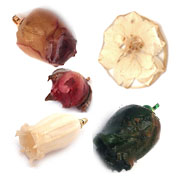
 Filters
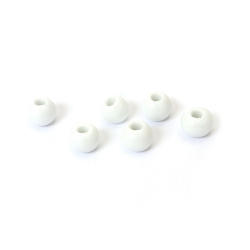
Classic White Porcelain Round Beads, 7x8.5 mm, 3 mm Hole – Elegant Jewelry Craft Beads - 6 Pieces

 pack
pack
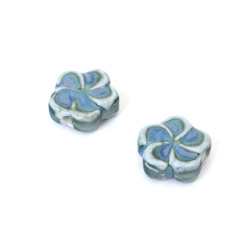
Porcelain Flower Beads – Melange Blue-Green Color, 16x6 mm, 2 mm Hole, Decorative Jewelry Making Beads - 2 Pieces
pack
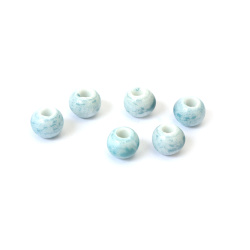
Beautiful Melange Light Blue Porcelain Round Beads, 7x8.5 mm, 3 mm Hole – Set of 6 Pieces for Elegant Jewelry Designs and Creative Craft Projects
pack
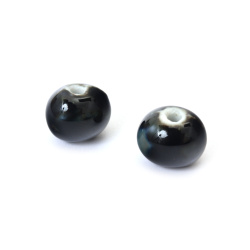
Porcelain Round Beads – Melange Black Color, 12x14 mm, 3 mm Hole, Decorative Jewelry Making Beads - 2 Pieces
pack
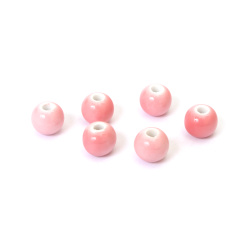
Charming Melange Pink Porcelain Round Beads, 7x8.5 mm, 3 mm Hole – Set of 6 Pieces for Elegant Jewelry Designs and Creative Craft Projects
pack
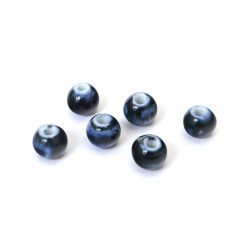
Captivating Melange Blue Porcelain Round Beads, 9x11 mm, 3 mm Hole – Stylish Jewelry Craft Beads - 6 Pieces
pack
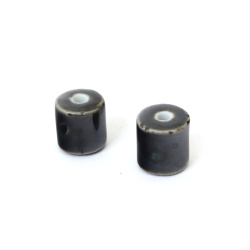
Melange Black Porcelain Cylinder Beads, 10x9 mm, 2.5 mm Hole – Contemporary Jewelry Craft Beads - 2 Pieces
pack
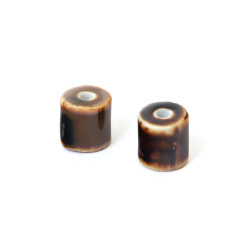
Melange Brown Porcelain Cylinder Beads, 10x9 mm, 2.5 mm Hole – Distinctive Jewelry Craft Beads - 2 Pieces
pack
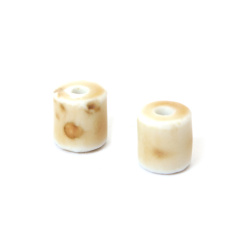
Elegant Melange Beige Porcelain Cylinder Beads, 10x9 mm, 2.5 mm Hole – Refined Jewelry Craft Beads - 2 Pieces
pack
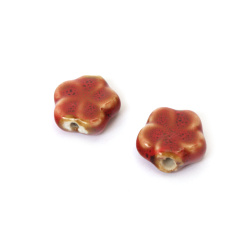
Sprayed Red Porcelain Flower Beads, 16x6 mm, 2 mm Hole – Eye-Catching Jewelry Craft Beads - 2 Pieces
pack
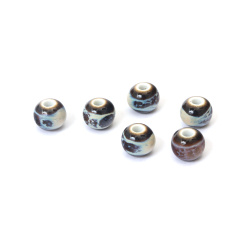
Porcelain Round Beads – Melange Gray Color, 7x8.5 mm, 3 mm Hole, Decorative Jewelry Making Beads - 6 Pieces
pack
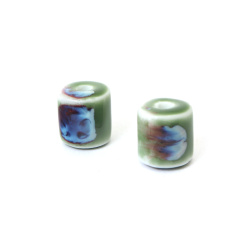
Melange Green Porcelain Cylinder Beads, 10x9 mm, 2.5 mm Hole – Stylish Jewelry Craft Beads - 2 Pieces
pack
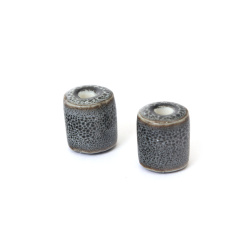
Porcelain Cylinder Beads – Sprayed Gray Color, 10x9 mm, 2.5 mm Hole, Decorative Jewelry Making Beads - 2 Pieces
pack
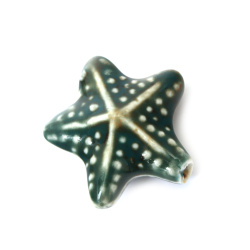
Sophisticated Melange Olive Green Porcelain Starfish Bead, 36x38x16 mm, 3 mm Hole – Coastal-Inspired Jewelry Craft Bead
piece
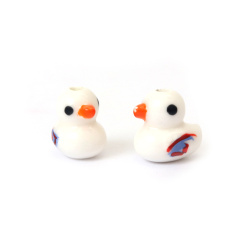
Adorable Hand-Painted White Porcelain Duck Beads, 12x13x10 mm, 2 mm Hole – Charming Jewelry Craft Beads - 2 Pieces
pack
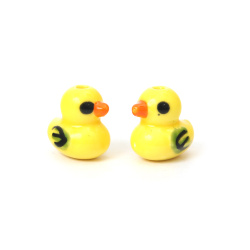
Cheerful Hand-Painted Yellow Porcelain Duck Beads, 12x13x10 mm, 2 mm Hole – Delightful Jewelry Craft Beads - 2 Pieces
pack
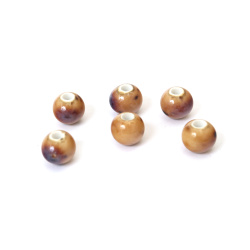
Elegant Melange Light Brown Porcelain Round Beads, 7x8.5 mm, 3 mm Hole – Set of 6 Pieces for Warm Natural Jewelry Designs and Creative Craft Projects
pack
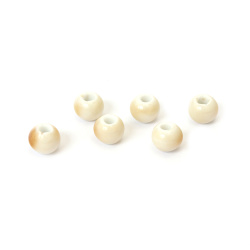
Melange Beige Porcelain Round Beads, 7x8.5 mm, 3 mm Hole – Set of 6 Pieces for Minimalist Jewelry Designs and Creative Craft Projects
pack
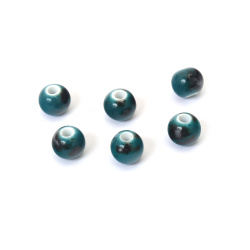
Melange Olive Green Porcelain Round Beads, 7x8.5 mm, 3 mm Hole – Set of 6 Pieces for Earthy Jewelry Designs and Creative Craft Projects
pack
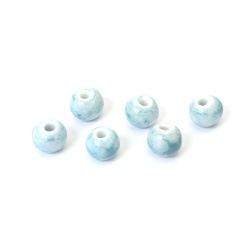
Refreshing Melange Light Blue Porcelain Round Beads, 9x11 mm, 3 mm Hole – Elegant Jewelry Craft Beads - 6 Pieces
pack
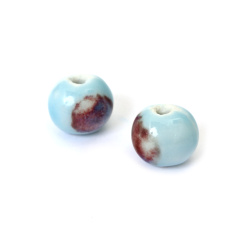
Melange Light Blue Porcelain Round Beads, 12x14 mm, 3 mm Hole – Elegant Jewelry Craft Beads - 2 Pieces
pack
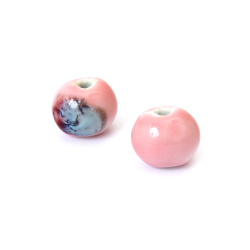
Charming Melange Pink Porcelain Round Beads, 12x14 mm, 3 mm Hole – Elegant Jewelry Craft Beads - 2 Pieces
pack
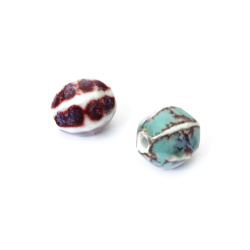
Distinctive Melange Blue and Burgundy Porcelain Hexagonal Oval Beads, 16x14 mm, 2 mm Hole – Artistic Jewelry Craft Beads - 2 Pieces
pack
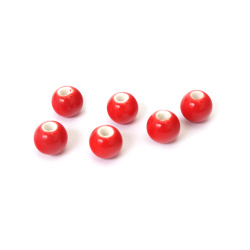
Red Porcelain Round Beads, 7x8.5 mm, 3 mm Hole – Set of 6 Pieces for Jewelry Designs and Creative Craft Projects
pack
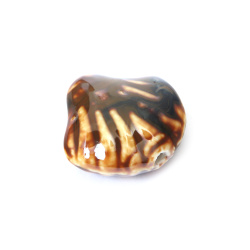
Porcelain Shell Bead – Melange Brown Color, 30x32x13 mm, 3 mm Hole, Decorative Jewelry Making Bead
piece
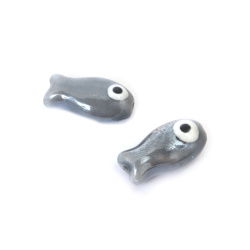
Elegant Gray Porcelain Fish Beads, 19x10x9 mm, 1.5 mm Hole – Unique Jewelry Craft Beads - 2 Pieces
pack
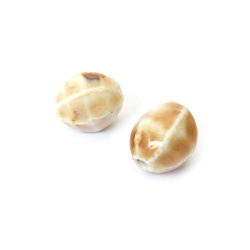
Elegant Melange Beige Porcelain Hexagonal Oval Beads, 16x14 mm, 2 mm Hole – Refined Jewelry Craft Beads - 2 Pieces
pack
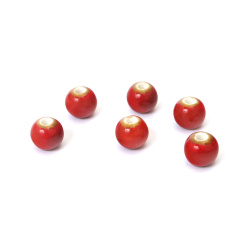
Sprayed Red Porcelain Round Beads, 7x8.5 mm, 3 mm Hole – Eye-Catching Jewelry Craft Beads - 6 Pieces
pack
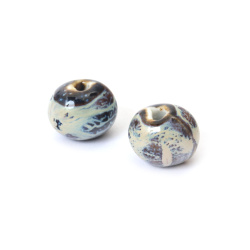
Melange Gray Porcelain Round Beads, 12x14 mm, 3 mm Hole – Contemporary Jewelry Craft Beads - 2 Pieces
pack
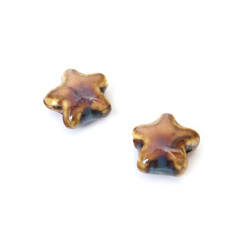
Porcelain Star Beads – Melange Brown Color, 13x15x8 mm, 2 mm Hole, Decorative Jewelry Making Beads - 2 Pieces
pack
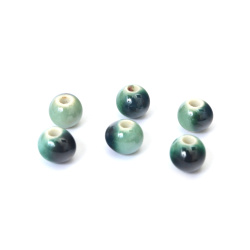
Elegant Melange Green Porcelain Round Beads, 7x8.5 mm, 3 mm Hole – Set of 6 Pieces for Nature-Inspired Jewelry Designs and Creative Craft Projects
pack
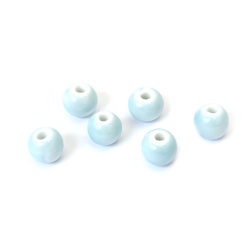
Graceful Melange Pastel Blue Porcelain Round Beads, 9x11 mm, 3 mm Hole – Refined Jewelry Craft Beads - 6 Pieces
pack
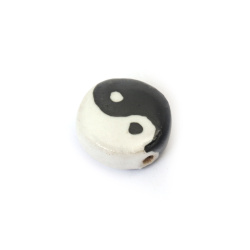
Intriguing Hand-Painted White and Black Porcelain Yin-Yang Spider Bead, 14x6 mm, 1.5 mm Hole – Unique Jewelry Craft Bead
piece
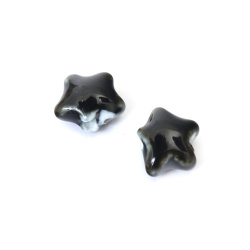
Porcelain Star Beads – Melange Black Color, 13x15x8 mm, 2 mm Hole, Decorative Jewelry Making Beads - 2 Pieces
pack
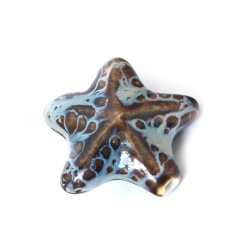
Captivating Melange Blue Porcelain Starfish Bead, 36x39x17 mm, 3 mm Hole – Coastal-Inspired Jewelry Craft Bead
piece
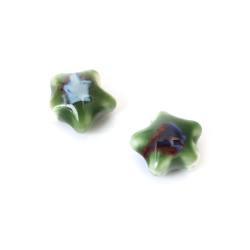
Melange Green Porcelain Star Beads, 13x15x8 mm, 2 mm Hole – Charming Jewelry Craft Beads - 2 Pieces
pack
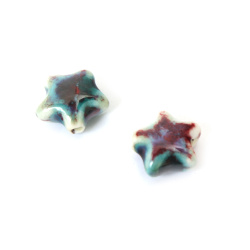
Striking Melange Blue and Burgundy Porcelain Star Beads, 13x15x8 mm, 2 mm Hole – Artistic Jewelry Craft Beads - 2 Pieces
pack
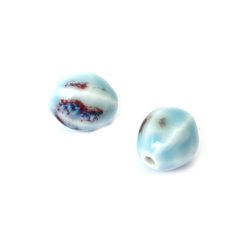
Porcelain Hexagonal Oval Beads – Melange Light Blue Color, 16x14 mm, 2 mm Hole, Decorative Jewelry Making Beads - 2 Pieces
pack
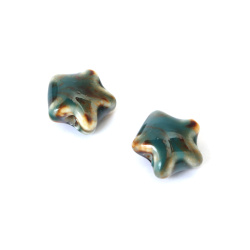
Sophisticated Melange Olive Green Porcelain Star Beads, 13x15x8 mm, 2 mm Hole – Elegant Jewelry Craft Beads - 2 Pieces
pack
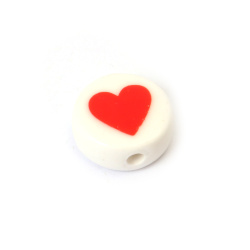
Charming White Porcelain Coin Bead with Red Heart, 16x7 mm, 2.5 mm Hole – Delightful Jewelry Craft Bead
piece
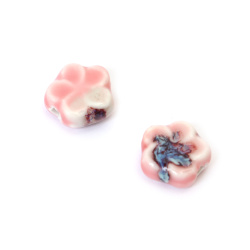
Charming Melange Pink Porcelain Flower Beads, 16x6 mm, 2 mm Hole – Delightful Jewelry Craft Beads - 2 Pieces
pack
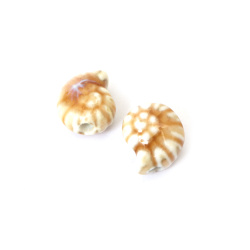
Elegant Melange Beige Porcelain Spiral Shell Beads, 13x12x8 mm, 3 mm Hole – Coastal-Inspired Jewelry Craft Beads - 2 Pieces
pack
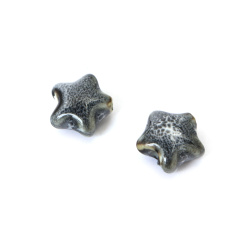
Sprayed Gray Porcelain Star Beads, 13x15x8 mm, 2 mm Hole – Contemporary Jewelry Craft Beads - 2 Pieces
pack
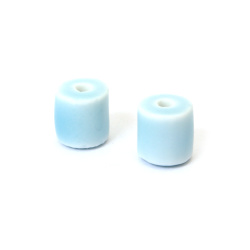
Delicate Melange Light Blue Porcelain Cylinder Beads, 10x9 mm, 2.5 mm Hole – Elegant Jewelry Craft Beads - 2 Pieces
pack
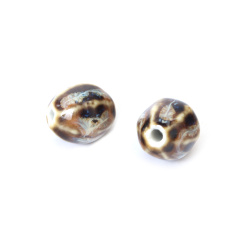
Porcelain Hexagonal Oval Beads – Melange Brown Color, 16x14 mm, 2 mm Hole, Decorative Jewelry Making Beads - 2 Pieces
pack
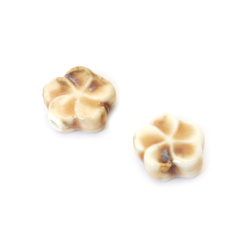
Elegant Melange Beige Porcelain Flower Beads, 16x6 mm, 2 mm Hole – Graceful Jewelry Craft Beads - 2 Pieces
pack
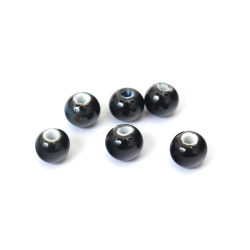
Porcelain Round Beads – Melange Black Color, 9x11 mm, 3 mm Hole, Decorative Jewelry Making Beads - 6 Pieces
pack
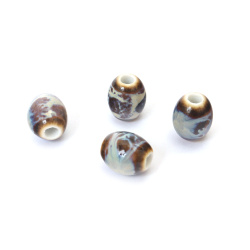
Sophisticated Melange Gray Porcelain Barrel Beads, 10x8 mm, 2 mm Hole – Contemporary Jewelry Craft Beads - 4 Pieces
pack
Other Beads for Jewellery Making — Silicone, Porcelain, Shamballa and Art Beads
This category gathers the beads that don’t fit the usual groups — glass, metal, wood or acrylic. Here you’ll find silicone beads, polymer clay, porcelain, Shamballa beads, art beads and cabochons. Each material feels different, weighs a different amount and does a different job, so the choice starts not with colour but with what you’re planning to make.
Some of these beads are ready to string, others are glued onto a base, and some you shape and bake yourself. Silicone is light and soft, porcelain is heavier and more elegant, polymer clay gives you free rein over shape and colour, Shamballa beads bring sparkle, and art beads work best as a single strong accent.
20 + years helping you pick the right materials for jewellery, crafts and decoration. See our delivery and return terms.
Types
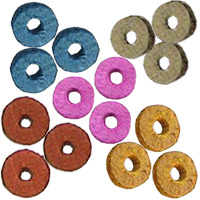
Silicone beads. Soft, flexible and pleasant to handle. They don’t break when dropped and wash clean with soap and warm water. A common pick for contemporary fashion jewellery, colourful bracelets, keyrings and decorative accessories.
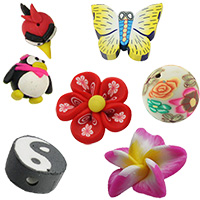
Polymer clay. A material you shape yourself. You model it by hand, then bake it according to the manufacturer’s instructions and it hardens permanently. From polymer clay you can make beads, pendants, small figures, name tags or colourful accents. FIMO and Sculpey are well-known polymer clay brands, and their different ranges vary in firmness, working time and recommended baking temperature.
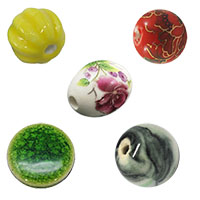
Porcelain beads. Ceramic beads with a smooth surface, usually glazed or hand-painted. They’re heavier than plastic beads of the same size and sit more steadily in a strand. You’ll find them in classic shapes such as rounds and tubes, as well as figurative motifs — fish, cats, flowers and other decorative forms.
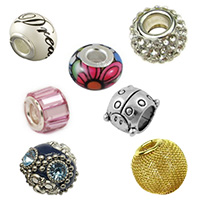
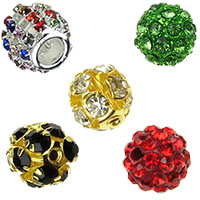
Shamballa beads. Round beads coated in resin and set with tiny crystals or decorative elements. They’re used mostly in Shamballa bracelets — macramé bracelets built from square knots, with beads spaced between the knotted sections and an adjustable length. They’re eye-catching enough on their own, so they rarely need much else around them.
Art beads. The more unusual pieces — odd shapes, interesting finishes, natural inclusions, resin or a handmade look. Use them as one or two accents in a project rather than as the basis for a whole strand. They suit one-off bracelets, necklaces, keyrings and decorative arrangements.
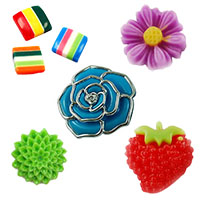
Cabochons. Cabochons differ from ordinary beads in that they aren’t strung. They have a flat back and are glued onto a base — a ring, an earring, a brooch, a pendant setting or a decorative frame. You’ll need matching metal jewellery blanks and a glue suited to the material.
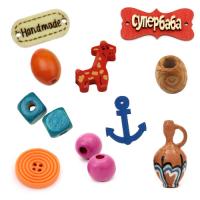
The remaining specialist types in this category — beads with textile, real leather, faux suede and resin elements — are mostly used as accents. They’re good for mixed-media techniques, but rarely form the basis of a whole strand.
What to combine them with
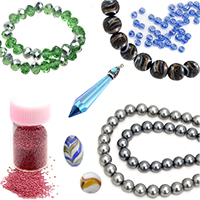
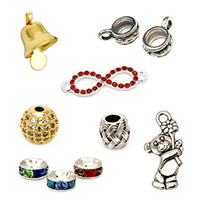
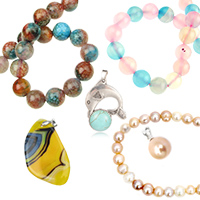
These beads are often used in mixed projects. Porcelain balances well against glass beads, since both materials have that denser feel. Metal components — clasps, spacers, jump rings and pendants — pull a project together and make it look finished. Wooden beads add warmth, especially in boho pieces, while natural stones such as lava, tiger’s eye and hematite give contrast and a stronger character.
Good to know
Different types of beads are built different. With glass beads it comes down to shine and clarity; with metal, to finish and durability. In this category every material has its own tell-tale signs.
- Silicone — softness, stretch, a smooth surface and a clearly stated intended use from the manufacturer
- Polymer clay — how it handles while you work, how stable it is after baking, and no visible cracking
- Porcelain — a clean glaze, an even hole, no cracks or sharp edges
- Shamballa — a stable coating and decorative elements set firmly into the resin
- Cabochons — a smooth flat back and a good surface for gluing
On lower-quality versions, the decorative elements tend to work loose faster with wear. So when you’re choosing Shamballa beads, art beads or cabochons, look past the colour at the surface, the edges and how the detail has been made.